When you decide to create a custom photo gift, you're making a decision that goes beyond the typical store-bought present. You're choosing to honor a relationship, commemorate a moment, or celebrate someone's life with something truly personal. But here's the honest truth that many gift-givers discover too late: not all custom photo gifts are created equal. Some fade within months. Others arrive with color shifts that make your most cherished memories look nothing like the original. The difference between a photo gift that becomes a beloved heirloom and one that disappoints comes down to understanding quality at every level—from materials to production methods to the companies that stand behind their work.
This guide walks you through everything you need to know about finding custom photo gifts that truly deliver on their promise. Whether you're thinking about a canvas print for a new nursery, a metal photo for a living room wall, or something more unconventional, we'll help you make an informed choice that results in a gift you'll be genuinely proud to give.
Understanding Quality in Custom Photo Gifts
Quality in custom photo gifts isn't a single factor—it's a combination of elements working together. When evaluating any custom photo product, you need to think like both an artist and a practical consumer. What makes a custom photo gift "actually good quality" goes far beyond a pretty picture.
The first consideration is the source material. Even the best production facility can't create magic from a poor photograph. A blurry image, inconsistent lighting, or a photo taken on an older phone camera will have limitations no matter how advanced the printing technology. When selecting the photo itself, consider resolution (aim for at least 300 DPI if you know the final print size), lighting quality, and composition. Professional photographs almost always translate better to physical gifts than casual snapshots, though a wonderful snapshot of a meaningful moment can absolutely work if it has adequate resolution.
The second element is material quality. This is where many custom photo gift companies cut corners. A canvas printed on cheap cotton blend will show wear and color fading within a couple of years. Metal prints require high-quality aluminum or steel substrates. Wood photo gifts need proper sealing against moisture. The material isn't just about durability—it affects how the photo actually looks. A photo printed on matte paper creates an entirely different visual experience than one on glossy or luster paper. Each material tells a different story with the same image.
The third crucial factor is printing technology. The industry standard for photo reproduction is dye-sublimation printing, which infuses color directly into specially coated substrates. This creates prints that can last decades without fading when properly stored. Inkjet printing, while acceptable for some applications, typically doesn't offer the same longevity. UV-cured printing is excellent for outdoor materials. Understanding what printing method a company uses gives you insight into what you're actually getting.
Finally, there's color accuracy and profile management. A quality custom photo gift producer will use color profiles specifically calibrated to their equipment and materials. They understand that a photo looks different on a screen than it does in print, and they account for this through professional color correction. This is why direct-to-consumer companies that don't employ color management specialists often deliver disappointing results.
Materials Matter: Choosing the Right Foundation
The material you select for your custom photo gift fundamentally changes what you're creating. Let's break down the most popular options and what makes them good quality choices.
Canvas prints are perhaps the most popular custom photo gift. Quality matters enormously here. Professional canvas is typically made from 100% cotton or a high-quality cotton blend, stretched over wooden frames. The weave should be tight and even—visible gaps or loose sections indicate inferior quality. The backing should be reinforced to prevent warping. When the canvas is printed using dye-sublimation or high-quality UV printing, the image becomes part of the fiber rather than sitting on top of it, which means it won't peel, crack, or fade prematurely. Budget canvas printed with standard inkjet and mounted on particle board will deteriorate noticeably within a few years.
Metal prints have gained tremendous popularity because they create a stunning, modern aesthetic. Quality metal prints use thick aluminum (at least 1/16 inch) or high-grade steel. The photo is actually infused into the metal surface through a heat-transfer process, making it incredibly durable and resistant to fading. Metal prints are excellent for bathrooms or kitchens because they resist moisture far better than other materials. The finish you choose—glossy, matte, or luster—affects both appearance and durability. Quality metal prints can last for decades with minimal care.
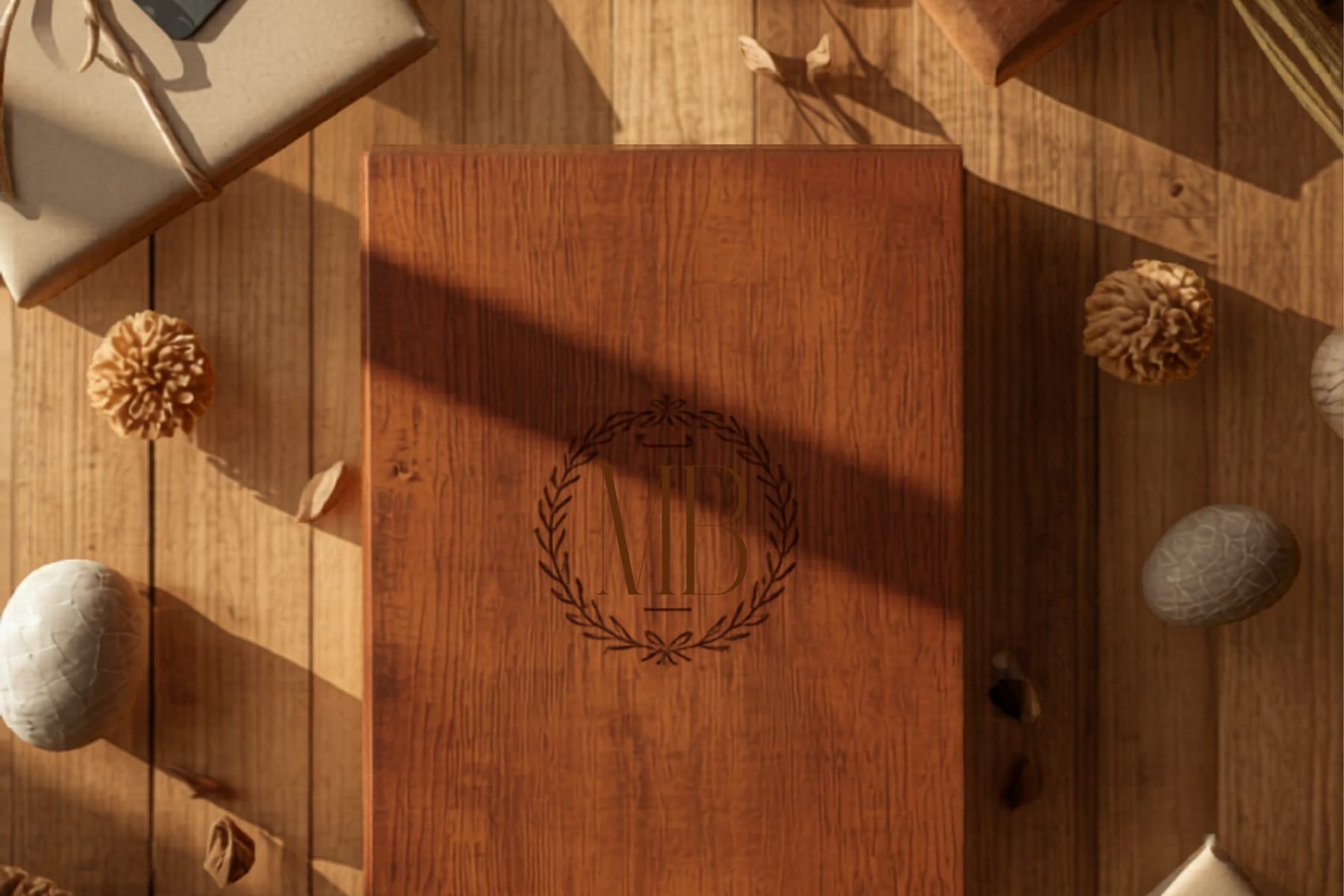
Wood photo gifts create warmth and natural beauty. Quality wood prints use solid wood substrates or high-quality veneers, properly sealed to protect against warping and moisture damage. The wood species matters too—some are more stable than others. Authentic wood prints shouldn't feel flimsy or show visible glue lines. When properly sealed and displayed, a wood photo gift can become a genuine family heirloom.
Acrylic and glass prints offer crystal-clear image quality. These materials work particularly well for black and white photography or high-contrast images. Quality acrylic should be UV-resistant to prevent yellowing over time. Glass prints must be properly sealed at the edges to prevent moisture intrusion. These materials are less forgiving of flaws in the original photo since everything is displayed with complete transparency.
Framed prints provide a traditional presentation. Quality framing uses museum-grade materials—acid-free mat board, UV-protective glass (or acrylic), and solid wood frames. The photo paper itself should be archival quality, designed to resist fading for 100+ years. This is one area where you truly get what you pay for, as the difference between a $30 framed print and a $150 framed print is dramatic in terms of longevity and presentation.
Red Flags: What to Avoid
As you research custom photo gift options, certain warning signs indicate lower quality. Recognizing these helps you avoid disappointment.
Unrealistic turnaround times often indicate shortcuts in quality control. A company that promises a custom photo gift in 24 hours probably isn't doing careful color correction or quality checking. Standard turnaround of 5-10 business days usually means proper attention to detail.
Unusually low pricing compared to competitors might signal cost-cutting on materials or printing technology. A custom photo canvas from a premium producer typically costs more than one from a bargain producer—and there's a reason. The materials genuinely are better, and the printing technology produces superior results.
Lack of information about materials and methods suggests a company that doesn't stand behind its product. Quality producers proudly explain their process, materials, and printing technology. If a website is vague about these details, it's worth questioning why.
No sample images or customer photos displayed online is a concern. Companies that produce truly good quality work usually showcase their results. Before-and-after photos showing how different images look when printed are particularly valuable.
Limited or unclear return policies indicate a company that doesn't expect customers to be satisfied. Quality producers offer generous return windows because they're confident in their work.
No information about color management or color accuracy suggests that color correction isn't part of the process. This is a significant red flag because it means you're essentially getting whatever the photo looks like when it comes off the press, without professional adjustment for the medium.
What Actually Good Quality Looks Like in Practice
A genuinely high-quality custom photo gift arrives ready to be cherished. Here's what you should expect:
The packaging should be professional and protective. The gift should arrive in boxes that prevent damage, not in shipping materials that allow items to shift around. For framed pieces, there should be protective glass coverings and secure bracing.
The colors should match your expectations, or at minimum, match the color profile the company showed you before printing. You might notice that prints look slightly different than the digital image—this is normal and actually indicates they understood color translation. Extreme color shifts (a warm-toned photo suddenly appearing cold, or unexpected color casts) are not acceptable.
The materials should feel substantial and well-made. Canvas should be taut and evenly stretched. Metal should feel substantial and smooth. Wood should be properly finished without rough edges. Framing should be perfectly square and the glass should be clear without bubbles or debris.
The print quality should be sharp and detailed. When you look closely at the image, small details should be clear and crisp. Pixelation, blurriness, or visible printing patterns indicate lower-quality printing or resolution issues.
The edges should be finished professionally. For canvas, edges should be gallery-wrapped or finished neatly. Metal prints should have polished or finished edges. Wood should have smooth, sealed edges. Framed prints should have clean mat windows and secure backing.
Making Your Selection: Key Questions to Ask
When evaluating a custom photo gift provider, these questions guide you toward quality:
What is their printing technology? Look for dye-sublimation, UV-cured, or other modern methods rather than standard inkjet.
What are the exact materials used? Get specific—not just "canvas" but the type of canvas, the frame construction, the coating used.
Do they offer color correction? Professional companies account for how prints look different than screens.
What's their return policy? A generous return window suggests confidence in quality.
Can they show examples of their work? Not just stock photos, but real customer orders.
Do they provide information about print longevity? Quality producers will cite fade-resistant ratings and archival quality.
What kind of preparation do they recommend for the original photo? This shows they've thought carefully about the process.
The Long-Term Perspective
When you're investing in a custom photo gift, you're making a decision that extends far beyond the moment of giving. You're creating something that will potentially be displayed for years or even decades. A truly good quality custom photo gift becomes part of someone's environment, a daily reminder of a cherished memory or relationship.
The difference between a bargain custom photo gift and a genuinely good quality one might be $30-$50 at the time of purchase. But when one fades noticeably within two years and the other remains vibrant after a decade, the quality option becomes the far better value. And emotionally, there's a difference between giving a gift that feels like you ordered it casually from a website and giving one that clearly received thought, care, and attention to detail in its creation.
Conclusion: Custom Photo Gifts That Truly Stand the Test of Time
Custom photo gifts that are actually good quality represent an investment in capturing and preserving meaningful moments. By understanding the importance of materials, printing technology, color management, and overall production standards, you can navigate the marketplace with confidence. Look for companies that are transparent about their processes, use professional printing methods, source quality materials, and stand behind their work with generous guarantees.
The best custom photo gifts are those that arrive ready to be treasured, that don't fade or deteriorate unexpectedly, and that genuinely reflect the care you put into selecting them. When you understand what makes a custom photo gift truly good quality, you're equipped to choose gifts that become lasting keepsakes rather than temporary novelties. Your effort to source quality transforms a nice gesture into something genuinely meaningful—a gift that will be appreciated not just on the day it arrives, but for years to come.